,

The Best Harnesses for Dogs That Pull: 5 UK Options

From comfortable everyday harnesses to no-pull training options, compare five well-reviewed picks for safer, happier dog walks.

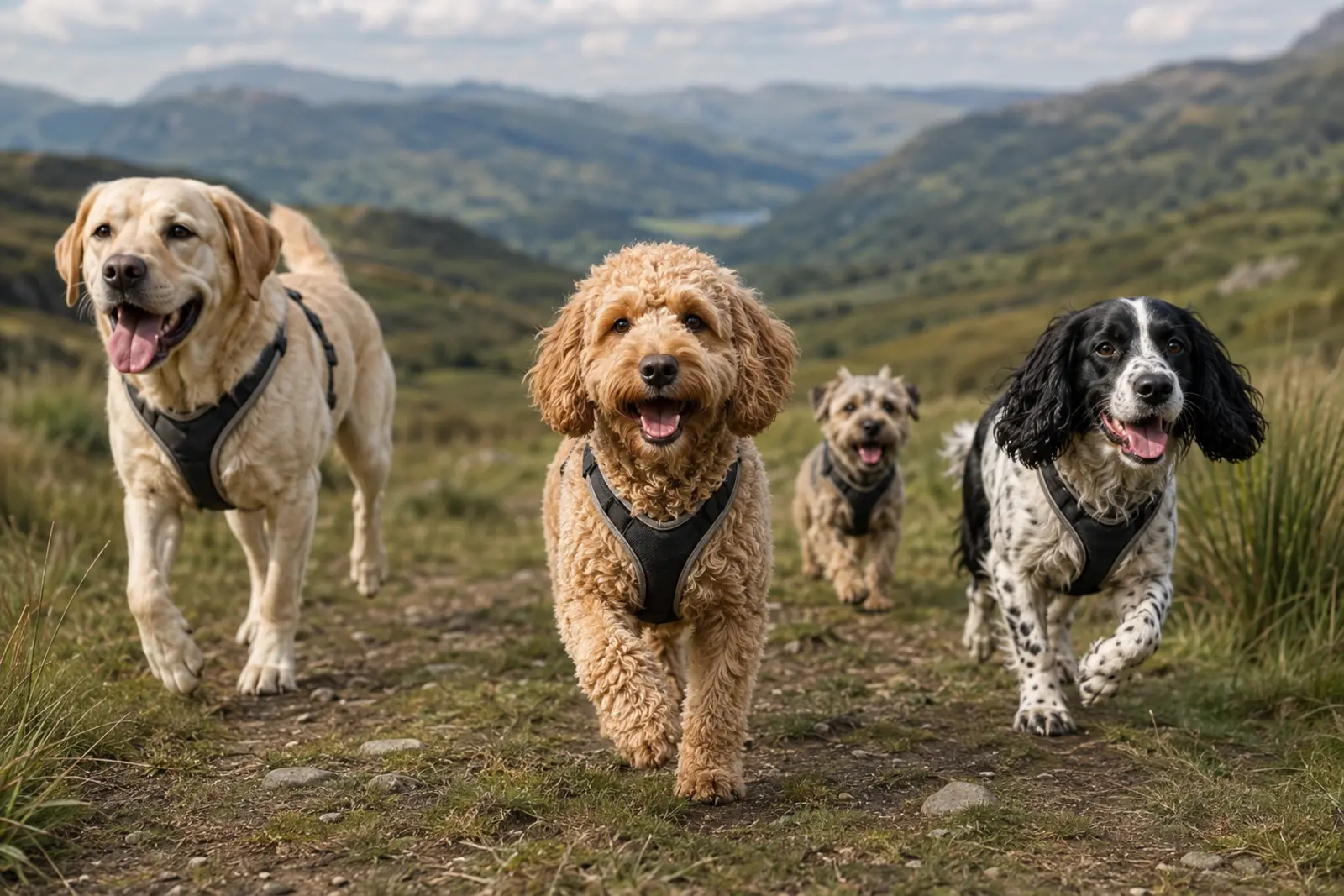
Apricot Cockapoo leading a group of dogs wearing harnesses on a countryside trail

Read the guide

🛍️ Shopping tip: Fit matters more than the brand name. Measure your dog before ordering and choose a harness that stays secure without restricting shoulder movement.

A good harness should make walks feel safer and more comfortable — not turn getting ready into a wrestling match in the hallway. Whether your dog is a calm pavement stroller, a determined squirrel investigator or, like Harley, occasionally convinced that every walk has started three minutes too late, the right fit can make a noticeable difference.

This guide covers five well-reviewed harnesses available through Amazon UK, from premium everyday designs to affordable no-pull options. We have chosen products for different needs rather than pretending there is one perfect harness for every dog.

This article contains Amazon affiliate links. If you buy through one of them, Harley Barley & Co may receive a small commission at no extra cost to you. Recommendations are selected for suitability, features and customer feedback rather than commission.

Which dog harness should you choose?

Best forOur pickWhy it stands out
Everyday adventuresRuffwearPadded, adjustable and made for regular use
Excitable pullersRabbitgooFront and back lead attachments
Value for moneyEaglooPractical features at a lower price point
Quick, fuss-free walksJulius-K9Sturdy design that is easy to put on
Loose-lead trainingHaltiDesigned to provide greater front control

What makes a good dog harness?

Look beyond colour first — even if the sage green one is calling your name. A useful everyday harness should offer:

  • Adjustability: enough adjustment points to fit the neck and chest without gaping.
  • Comfort: smooth straps or padding that do not rub behind the front legs.
  • Freedom of movement: a shape that does not sit across or restrict the shoulders.
  • Secure fastenings: clips and lead rings that feel appropriate for your dog’s size and strength.
  • Practical details: reflective trim, a handle or a front lead attachment where these suit your walks.

Harley’s tip: curly coats can hide a loose or rubbing strap surprisingly well. Run your fingers around the harness after fastening it, then check again after the first ten minutes of a walk.

1. Ruffwear harness — best overall

Ruffwear is the premium choice in this round-up. Its everyday harnesses are designed with padding, multiple adjustment points and practical lead attachments, making them a strong option for dogs who go from pavement walks to woodland trails without changing outfits.

  • Good for: active dogs, longer walks and owners wanting one dependable everyday harness.
  • We like: the comfortable construction and useful adjustment range.
  • Bear in mind: it costs more than the budget options, and accurate measuring is still essential.

2. Rabbitgoo no-pull harness — best for excitable dogs

Rabbitgoo is a popular choice for dogs who need a little more guidance on walks. The combination of front and back lead attachment points gives owners options: the back clip works well for ordinary walking, while the front clip can help redirect forward pulling as part of patient loose-lead training.

  • Good for: enthusiastic walkers and dogs learning not to tow their humans towards every interesting smell.
  • We like: padded coverage, reflective details and two attachment positions.
  • Bear in mind: a front clip is a training aid, not a complete solution by itself.
Red-and-cream Cockapoo standing side-on in a correctly fitted padded harness

🐾 Try this fit check

You should normally be able to slide two fingers beneath the straps without the harness shifting freely. Check that it sits clear of the throat and behind the front legs, with room for the shoulders to move.

3. Eagloo harness — best budget choice

Eagloo offers many of the features owners look for — padding, adjustability, reflective sections, a handle and front and back lead clips — at a more accessible price. It is a sensible starting point if you want to see which attachment style suits your dog before investing in a premium harness.

  • Good for: everyday walks and budget-conscious owners.
  • We like: the useful mix of features for the price.
  • Bear in mind: regularly inspect stitching, webbing and clips, as you should with any well-used harness.

Harley Barley • Buying Guides

Better control, happier shoulders and five honest options

If your cheerful stroll regularly turns into an upper-body workout, the right harness can make your dog easier and more comfortable to manage while you work on training. Our quick verdict: the Ruffwear is the strongest all-round choice, while the Rabbitgoo offers a more budget-friendly route into a front-and-back clip design.

This article contains affiliate links. If you buy through one, we may earn a small commission at no extra cost to you. We have not personally tested every product listed, so we have focused on design, intended use and honest limitations rather than pretending Harley owns an impressively large harness wardrobe.

Our quick picks

Best forHarnessWhy it stands outLink
Best overallRuffwearOutdoor-focused design from a recognised harness brandCheck on Amazon UK
Best budget-friendly optionRabbitgooFront and back attachment style suited to everyday trainingCheck on Amazon UK
Best for adjustabilityEaglooPractical everyday shape with multiple adjustment pointsCheck on Amazon UK
Best easy-on styleJulius-K9Familiar over-the-head design with a back attachmentCheck on Amazon UK
Best headcollar optionHaltiA different form of control for strong pullers when introduced carefullyCheck on Amazon UK

Important: No harness guarantees that a dog will stop pulling. It should help you manage walks safely and comfortably while you teach loose-lead walking.

What makes a good harness for a dog that pulls?

The best harness is not simply the one with the thickest straps. Look for:

  • A secure, comfortable fit that does not rub behind the front legs
  • Useful adjustment points for a deep chest, narrow waist or fluffy coat
  • A front attachment point if you want more steering during training
  • A back attachment point for relaxed walking and long-line use
  • Strong stitching and hardware appropriate for your dog’s size
  • Enough freedom through the shoulders for a natural stride

Cockapoos can be particularly awkward to fit because the fluff hides everything. Check the harness against the body, not the outer cloud of curls, and reassess after a groom.

1. Ruffwear harness — best overall

View the Ruffwear harness on Amazon UK

Ruffwear is a strong place to start for active dogs and owners who spend plenty of time outdoors. This is the option we would investigate first for mixed everyday walking, countryside routes and longer adventures.

Good for: Active dogs, regular walkers and owners wanting a more outdoors-focused harness.

Potential drawback: It is likely to be more of an investment than simpler everyday designs.

Who it suits: Dogs needing a secure-feeling harness for varied walks rather than a minimal strap design.

2. Rabbitgoo harness — best budget-friendly choice

View the Rabbitgoo harness on Amazon UK

Rabbitgoo harnesses are popular with owners looking for front and back lead attachment without moving straight into the premium end of the market. A front clip can help redirect a dog who surges forwards, while the back clip remains useful for calmer walks.

Good for: Everyday loose-lead training and owners who want two attachment options.

Potential drawback: Fit varies between individual dogs, so measurements matter more than the breed label.

Who it suits: First-time harness buyers wanting flexibility at a more approachable price point.

3. Eagloo harness — best for adjustability

View the Eagloo harness on Amazon UK

The Eagloo is another practical front-and-back attachment option. Its appeal is the ability to fine-tune the fit, particularly useful for dogs whose chest and neck measurements do not sit neatly in one size bracket.

Good for: Dogs who need several adjustment points and owners learning which clip position works best.

Potential drawback: Extra straps can take a little longer to set up correctly.

Who it suits: Broad-chested, narrow-waisted or gloriously fluffy dogs that escape simple sizing assumptions.

4. Julius-K9 harness — best easy-on design

View the Julius-K9 harness on Amazon UK

The recognisable Julius-K9 shape is appealing when you want something quick to put on. It is primarily a back-clip style, so it may suit owners who value convenience and general control more than front-clip steering.

Good for: Quick dressing, everyday walks and dogs who dislike having legs threaded through straps.

Potential drawback: A back attachment alone offers less steering assistance for determined pullers.

Who it suits: Dogs who are already progressing with training but need a sturdy everyday harness.

5. Halti — best headcollar option

View the Halti on Amazon UK

A Halti headcollar is not a body harness, but it belongs in this conversation because it gives some owners more control of a strong dog’s head direction. It must be introduced gradually with treats and positive associations. Never drag, jerk or snap the lead.

Good for: Strong dogs whose owners need additional steering while training.

Potential drawback: Many dogs initially dislike the sensation, and poor handling can make it uncomfortable.

Who it suits: Owners prepared to condition the headcollar patiently and ideally seek professional guidance.

Front clip or back clip: which is better?

A front clip can reduce your dog’s ability to drive straight ahead and may make redirection easier. A back clip is simple and comfortable for many dogs, but determined pullers can lean their body weight into it.

A dual-clip harness paired with a double-ended control lead gives you both options. It will not train the dog for you, but it can make the learning process calmer.

How should a dog harness fit?

Follow the manufacturer’s measurement guide, then check the fit on your actual dog:

  1. Measure the neck and widest part of the chest with the coat in its normal condition.
  2. Adjust each strap rather than relying on the out-of-box setting.
  3. Check you can comfortably slide two fingers beneath the straps.
  4. Watch your dog walk and trot; the harness should not restrict the shoulders or twist.
  5. Look for rubbing, hair matting or redness after the first few walks.

Recheck growing dogs and fluffy breeds regularly. A fresh Cockapoo haircut can change the fit more than you might expect.

Can a harness make pulling worse?

A back-clip harness may allow some dogs to put more body weight into pulling, but the real issue is usually that pulling still earns forward movement. Equipment affects control; training changes the habit.

Use the steps in our guide to stopping a dog pulling on the lead alongside whichever harness you choose.

Frequently asked questions

What is the best harness for a Cockapoo that pulls?

A lightweight, adjustable harness with front and back attachment points is a sensible starting point. Measure your individual dog rather than choosing purely by breed.

Are no-pull harnesses safe?

A well-fitted harness used without jerking should be comfortable. Stop using it if it restricts movement, rubs, twists or changes your dog’s gait, and ask your vet or a qualified trainer if you are unsure.

Should a dog wear a collar as well as a harness?

Yes. In the UK, dogs in public must still wear a collar with the owner’s name and address on it or on an attached tag. You can attach the walking lead to the harness.

Can I leave a harness on all day?

It is generally better to remove it when the walk is over. This allows the coat and skin to breathe and reduces rubbing, matting and the chance of straps becoming caught.

Our verdict

Start with fit, then choose the attachment style that supports your training. The Ruffwear is our all-round pick; the Rabbitgoo is the value-conscious alternative; and a Halti is a specialist option that needs a patient introduction.

Next, match it to one of our best leads for dogs that pull and keep teaching the loose-lead behaviour you actually want.

4. Julius-K9 harness — best for quick, fuss-free walks

The Julius-K9 Powerharness is known for its sturdy feel and straightforward over-the-head design. It can be quick to put on, includes a useful top handle and appeals to owners who want confident control for ordinary urban walks.

  • Good for: strong dogs, quick outings and owners prioritising easy on-and-off use.
  • We like: the durable construction and accessible handle.
  • Bear in mind: the chest-strap shape will not suit every dog’s movement, so watch the shoulder position carefully.

🐾 One shape does not fit all

Breed labels are only a starting point. A deep-chested Labrador, compact terrier and narrow young Cockapoo may need completely different adjustments even at a similar weight.

Labrador, terrier mix and chocolate Cockapoo walking together in comfortable harnesses

5. Halti no-pull harness — best for training

The Halti is the most training-focused option here. Its front-control design is intended to help steer rather than simply resist a dog pulling straight ahead. It is best used alongside rewards, consistency and a suitable double-ended lead rather than as a shortcut around training.

  • Good for: dogs actively learning loose-lead walking.
  • We like: the lightweight design and emphasis on front control.
  • Bear in mind: introduce it positively and make sure the straps do not rub beneath the front legs.

How to measure your dog for a harness

  • Use a soft tape measure while your dog is standing naturally.
  • Measure the widest part of the chest, usually just behind the front legs.
  • Measure around the lower neck where the harness will sit, rather than high up where a collar rests.
  • Compare both measurements with the specific manufacturer’s chart — do not rely on weight or breed alone.
  • If your dog falls between sizes, follow the brand’s guidance and prioritise the option with a safe adjustment range.

⚠️ Harness safety check

  • Check for redness, flattened fur or rubbing after every early walk in a new harness.
  • Make sure your dog cannot reverse out of it when frightened or excited.
  • Do not leave a harness on an unsupervised dog unless the manufacturer specifically says it is safe.
  • Replace damaged clips, stretched straps or frayed webbing.
  • Ask a qualified trainer or veterinary professional for help if your dog pulls strongly, appears uncomfortable or has mobility concerns.

Frequently asked questions

Is a harness better than a collar?

A harness distributes lead pressure across a wider area and can offer more control, while a collar remains useful for identification. Many owners use both: an appropriately fitted harness for the lead and a comfortable collar carrying the dog’s ID tag.

Will a no-pull harness stop pulling completely?

It may give you more control and make pulling less rewarding, but lasting improvement normally comes from consistent loose-lead training. The harness is equipment, not magic — sadly, the squirrel still has influence.

How tight should a dog harness be?

It should be secure without pinching. The familiar two-finger check is a useful starting point, but you should also confirm that the harness cannot slip over the head, rotate excessively or rub behind the legs.

The final verdict

For an active dog who needs a comfortable all-round harness, Ruffwear is our premium pick. Rabbitgoo offers useful front-clip control for enthusiastic walkers, while Eagloo provides similar everyday features for less. Julius-K9 suits owners who value sturdy simplicity, and Halti is the most focused choice for loose-lead training.

Whichever you choose, the best harness is the one that fits your individual dog, supports natural movement and survives the realities of your walks — including mud, sudden zoomies and the occasional urgent meeting with a particularly fascinating hedge.


Product listings, ratings, availability and prices can change. Check the current Amazon UK listing, sizing chart and manufacturer guidance before ordering. This guide is general information and is not a substitute for individual veterinary or qualified training advice.

🐾 Keep exploring

Cockapoo Life  ·  Buying Guides  ·  All articles

🐾 Build the full walking setup: Pair the right harness with our best leads for dogs that pull, then use our loose-lead training guide. Cockapoo owner? Our Harley-specific walking guide explains why excitable walks can be such a Cockapoo thing.

Ad / affiliate links: We may earn a commission or referral reward if you buy or sign up through links in this article.

Find your next useful guide

Explore more advice on this topic, or use our complete article directory to find older guides.

,

Harley Barley & Co shares life with Harley from an owner’s perspective. Meet Harley and the people behind the site. For individual health concerns, speak to your vet.

Response